The vigorous pursuit of witchcraft accusations in the late 16th and early 17th centuries, leading to widespread trials and executions, is sometimes attributed to the adverse effects of sweeping religious changes after the Reformation, when the reassuring comfort of age-old religious practices was swept away and replaced by new and sometimes less comfortable doctrines, while the times themselves seemed bedevilled by uncertainties. It was easy to believe that misfortunes after a cross word with an unpopular neighbour might be the result of vengeful witchcraft and to point the finger at the suspect. The newly available English Bible made it quite clear in Exodus chapter 22: ‘Thou shalt not suffer a witch to live’ and more stringent legislation provided the means.
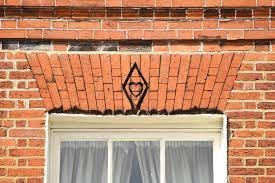
Above the first-floor window of Nos 14–15 can be seen the outline of a heart incised into the brickwork. Tradition says that the heart of a witch burst out while she was being burned outside, and this is where it hit the wall! Four locally convicted witches are named in Mackerell’s 1738 History of Lynn, but were executed by hanging, the usual punishment in England for witchcraft, contrary to popular belief. Burning – or in one Lynn case boiling – to death indicated a woman executed for petty treason, the legal term for murder by whatever means of an employer or household head. Indeed, by the time this frontage was built in the early 18th century, times were more settled and the witch hunt phenomenon had, mercifully, largely subsided!